There is no single “best” antibiotic for a Wagner grade 3 foot ulcer. A grade 3 ulcer is deep and often involves an abscess, bone infection (osteomyelitis), or joint infection, so...
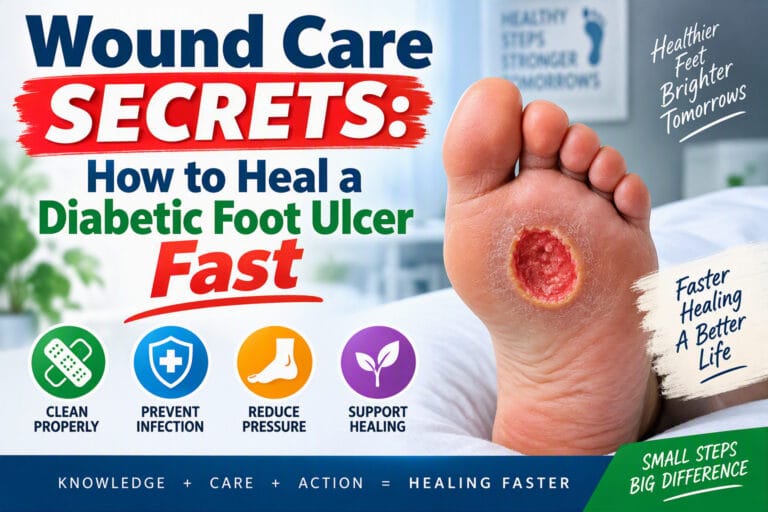
The fastest way to heal a diabetic foot ulcer is to treat it as a medical problem, not a home-care project. Healing speeds up when five things happen together: pressure is taken off the wound...
The best diabetic shoes after losing a toe are extra-depth, wide-toe-box shoes with a seamless soft lining, a stiff rocker sole, adjustable closures (laces or Velcro), and a custom total-contact...
Hyperbaric oxygen therapy (HBOT) can help certain diabetic foot ulcers heal, but it is not a cure-all. Several meta-analyses of clinical trials show higher healing rates and fewer major amputations...
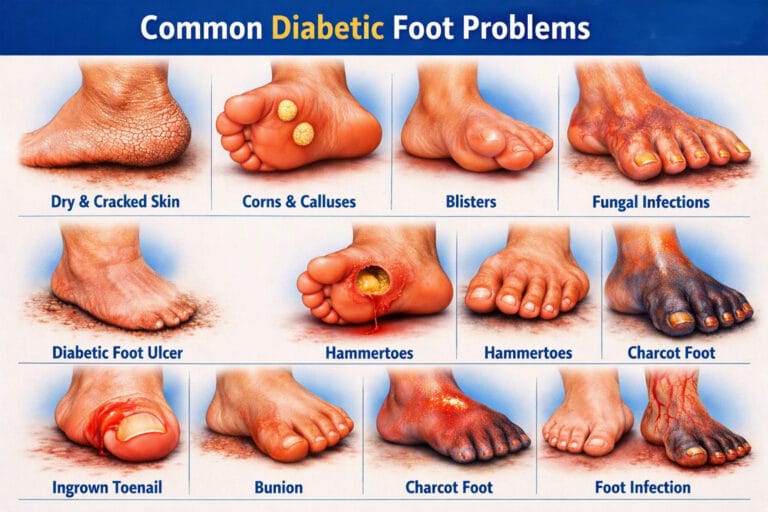
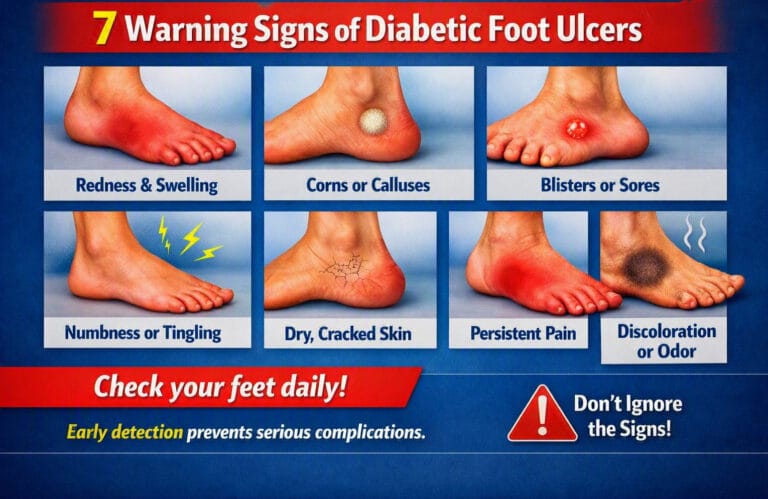
The most common diabetic foot problems are dry and cracked skin, calluses and corns, blisters, fungal infections, ingrown toenails, foot ulcers, bone and shape changes such as Charcot foot, and...
Introduction: Protect Your Feet, Protect Your Health Choosing the right shoes when you have diabetes isn’t just about comfort—it’s about preventing serious complications that can threaten...
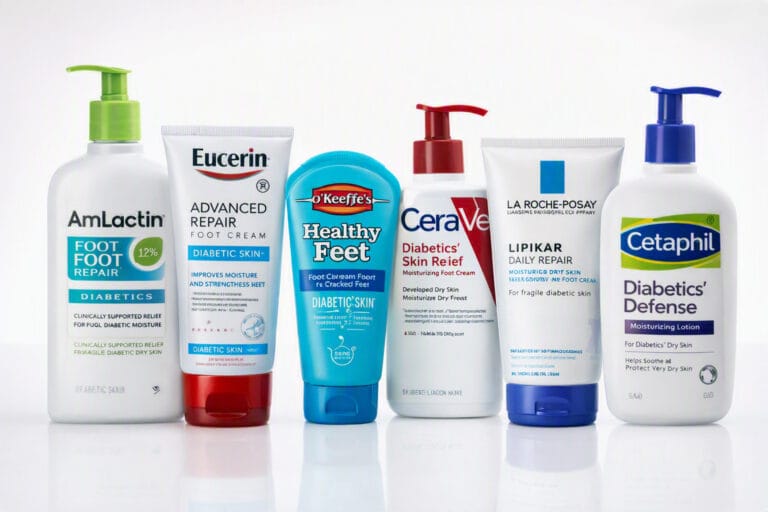
When you have diabetes, your feet demand special attention. Diabetic skin is more prone to dryness, cracks, and infections—complications that can escalate quickly without proper care. The right lotion...
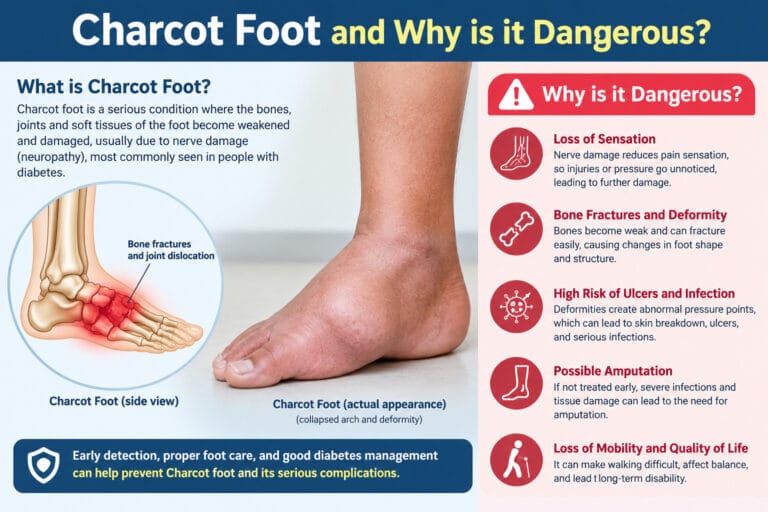
Understanding Charcot Foot: The Silent Threat to Diabetic Feet Charcot foot is one of the most serious yet underrecognized complications of diabetes. If you or a loved one has diabetes, understanding...
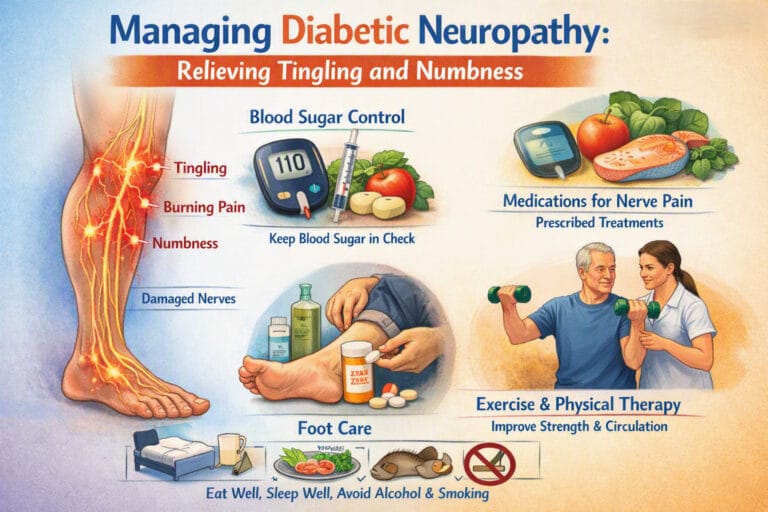
If you’re experiencing tingling, numbness, or burning sensations in your feet and legs, you’re not alone. Diabetic neuropathy affects millions worldwide, and for many people with diabetes...