

Introduction
As a doctor, I see many patients struggling with diabetic foot problems. This condition is common but also very serious if not managed properly. The good news is, with the right care, regular monitoring, and timely treatment, complications can be prevented. In this blog, I will explain nursing management of diabetic foot in a simple, easy-to-understand way—so that patients, families, and caregivers know how to protect foot health.
What is Diabetic Foot?
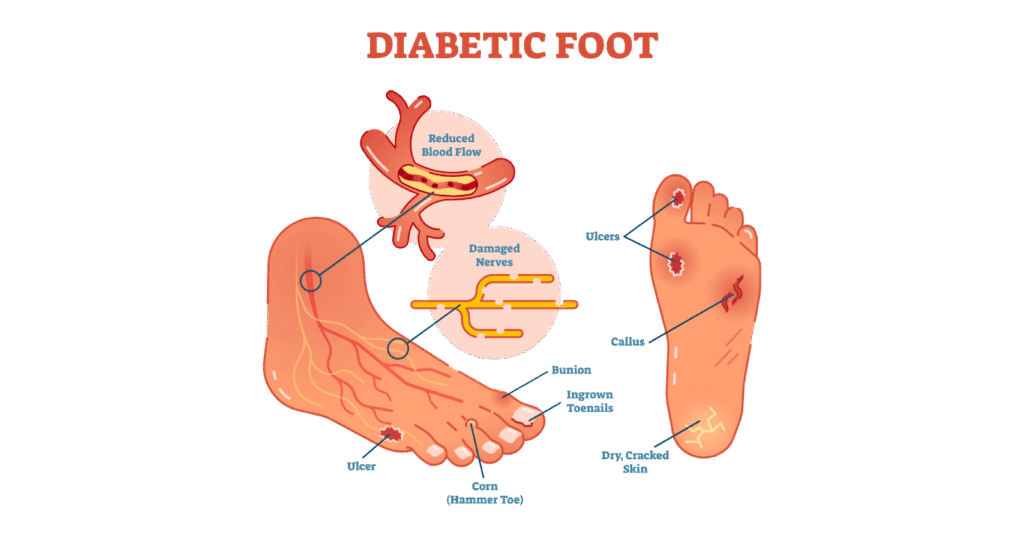
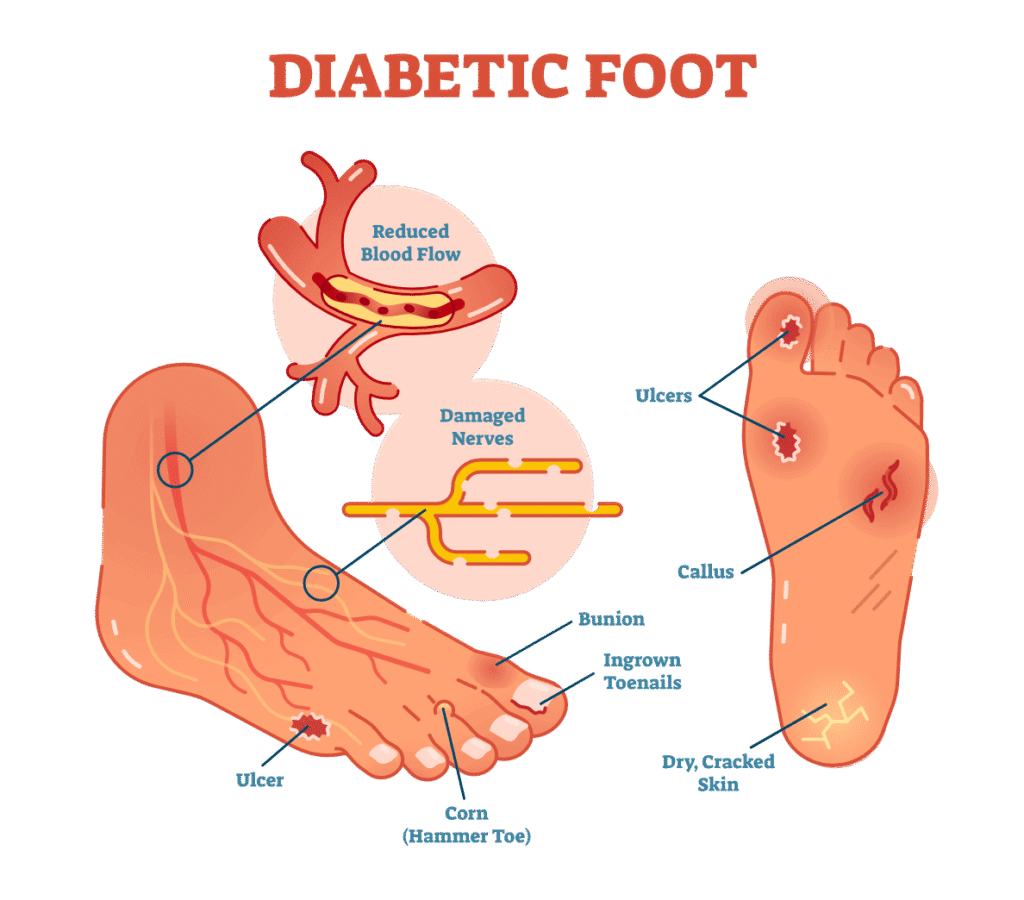
A diabetic foot is a complication linked to diabetes due to nerve damage, lack of blood flow, and prolonged wound healing. Cuts, blisters, or infections, if neglected, can become ulcers in no time. This is why, in addition to nursing care, educating the patients is extremely important role.
Key Aspects of Nursing Management
1. Assessment of the Foot
- Examining carefully for redness, swelling, blisters, cuts or even ulcers is an important task for all nurses
- They look at the skin color, temperature, and sensation.
- Screening them regularly helps identify issues before it’s too late.
2. Wound Care
- This includes washing with sterile solutions, appropriate wound dressings, and watching the wound for signs of infection.
- Keeping an eye out for pus, and/or a bad smell, and watching the wound for any signs of healing.
- Keeping the fan on with surgical masks and personal protective gear.
3. Blood Sugar Control Support
- Teaching patients about diet, physical activity, and medications.
- Emphasizing and reminding them about the importance of regular glucose testing.
- I’d like to talk with the physician about insulin or medication changes.
4. Infection Prevention
- Washing hands with soap and water, and hand sanitization after garment changes.
- Educating patients on washing and drying feet on a daily basis.
- Recommending not to walk without slippers or shoes.
5. Pain and Comfort Management
- Using prescribed medicines for pain relief.
- Supporting patients with special footwear or padding.
- Encouraging rest and proper positioning of the foot.
6. Patient Education & Lifestyle Guidance
- Teaching proper footwear selection (soft, well-fitted shoes).
- Guiding about daily self-foot checks at home.
- Encouraging follow-up visits for regular evaluation.
Why Nursing Care is Important
Effective nursing management speeds up diabetic foot ulcer healing, prevents serious complications, and acts as caregivers and educators, encouraging a healthier and more confident life for patients.
Final Thoughts as a Doctor
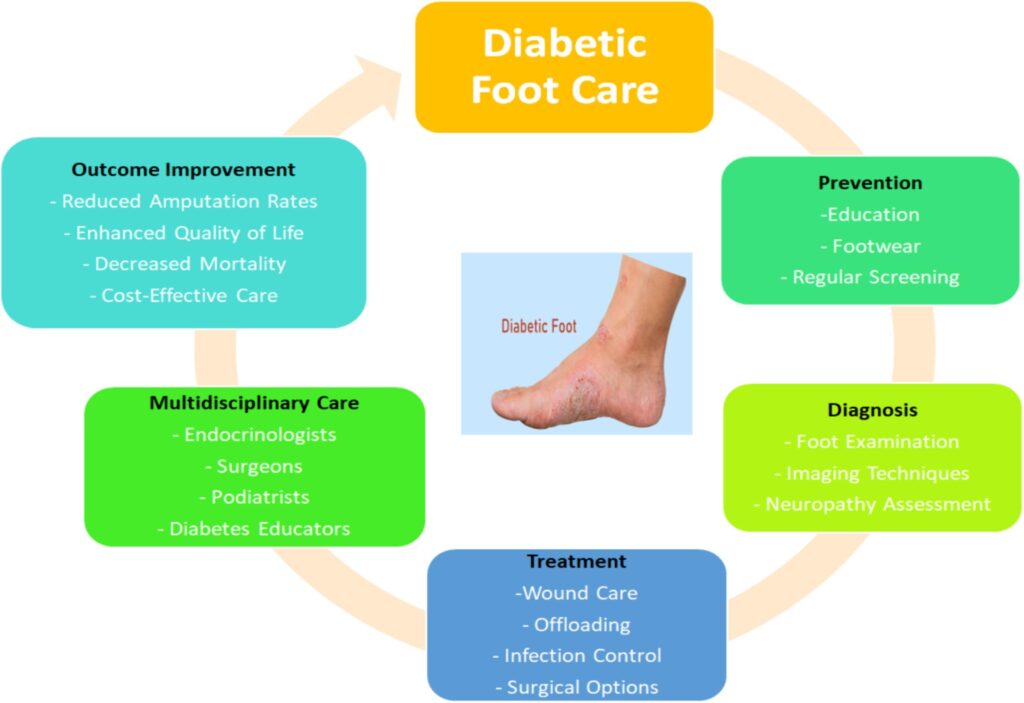
Diabetic foot management involves teamwork among doctors, nurses, patients, and families, focusing on early diagnosis, advanced wound care, and continuous patient education for diabetes prevention and full life.