

Introduction
Diabetes presents a number of difficulties, but foot health frequently receives less attention than it merits. In my experience as a physician, neglected feet can result in severe issues like ulcers, infections, and even amputations. The good news? You can keep an active lifestyle, protect your feet, and avoid complications with the correct diabetic foot care products.
Understanding Diabetic Foot Complications
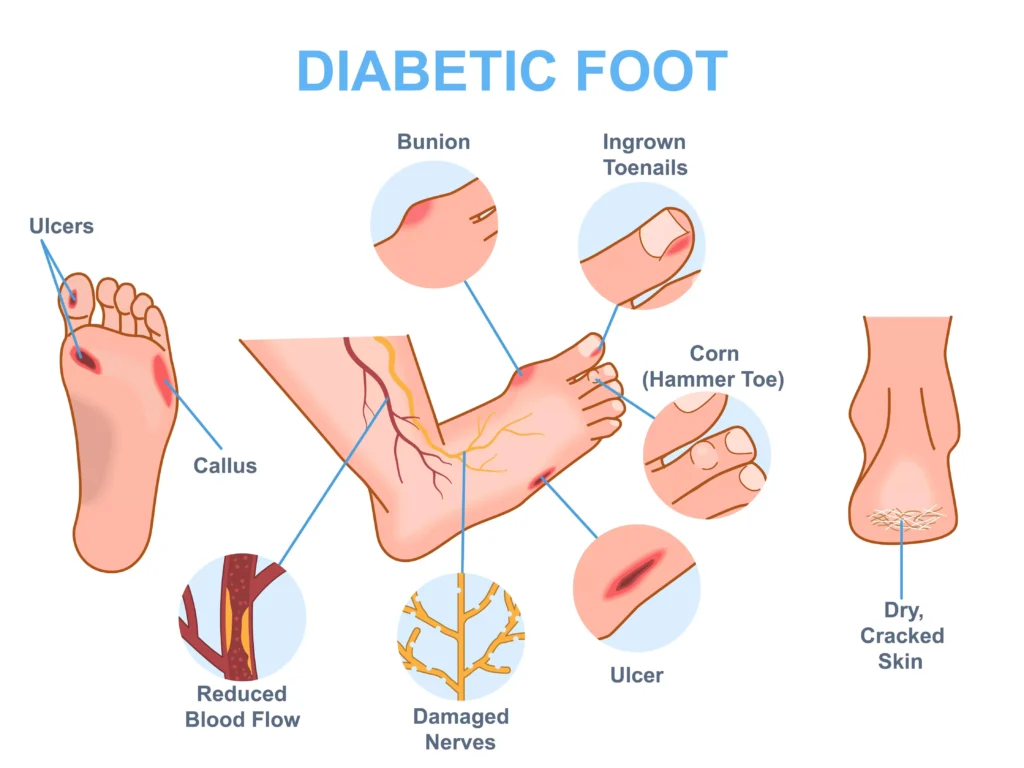
There are three primary ways that diabetes impacts your feet.
- Nerve damage: You might not experience blisters, cuts, or pain.
- Poor circulation: increases the risk of infection and slows healing.
- Weakened immunity: Small injuries can get worse very fast.
For this reason, daily care and prevention are crucial
Why Diabetic Foot Care Products Are Essential
Consider your personal defense team to be your foot care products. These tools assist you in staying ahead of issues rather than waiting for them to arise. Since treating an ulcer becomes much more difficult once it develops, doctors place a strong emphasis on prevention.
Daily Foot Hygiene Essentials
- Gentle diabetic foot soaps: Maintain the equilibrium of the skin.
- Antimicrobial soaps: Prevent infections.
- Moisturizers: Lessen cracking and dryness.
Moisturizers and Creams
An open invitation to infection is provided by dry, cracked skin. Utilize:
- Creams with urea for intense hydration.
- lotions that aren’t oily and don’t retain perspiration.
- Steer clear of petroleum jelly between your toes because it retains moisture and promotes fungus.
Specialized Footwear
Healthy feet are clean feet. Steer clear of harsh soaps that deplete natural oils. Rather, pick:
Diabetic shoes aren’t about fashion—they’re about protection.
- Pressure points are lessened by shoes with soft insoles.
- Circulation is improved by socks without elastic bands.
- Unintentional cuts are avoided with sandals that have covered toes.
Antifungal and Antibacterial Diabetic Foot Care Products
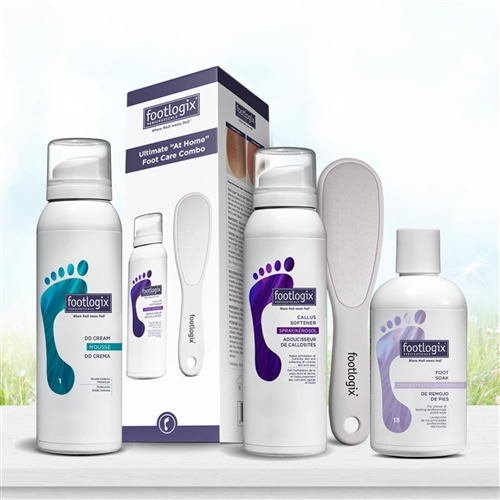
In diabetics, fungal infections spread quickly. Utilize:
- shoes with antifungal powders and sprays.
- Athlete’s foot can be avoided with moisture-control socks.
- Toenail infections can be treated with antifungal nail creams.
Wound Care Products
It is imperative that you receive appropriate wound care if you sustain a cut or blister.
- To clean wounds, use sterile saline solutions.
- hydrocolloid dressings to protect and moisturize wounds.
- antimicrobial dressings made of silver to eradicate bacteria.
Diabetic Socks
These aren’t your regular socks. They:
- Increase circulation by wearing non-binding tops.
- Use clothing that wicks away moisture to keep your feet dry.
- Using seamless designs can help you avoid blisters.
Orthotic Inserts
Walking causes pressure points to form in many patients. Insoles for orthopaedics:
- Weight should be distributed equally.
- Prevent ulcers and calluses.
- Provide comfort for extended walks.
Nail and Callus Care Tools
Infections and ingrown nails can result from improper nail cutting. Adhere to:
- Round-edged diabetic nail clippers.
- Calluses can be gently removed with pumice stones.
- Steer clear of razors and sharp blades as they may cause unnoticed cuts.
Monitoring Devices
Diabetes foot care now heavily relies on technology.
- Infrared thermometers identify hot spots, which are an early indicator of ulcers.
- Insoles with sensors warn of pressure points.
- Instruments for blood circulation look for blockages in the arteries.
When to Consult a Doctor
Never ignore:
- Redness or swelling that doesn’t go away
- Cuts or wounds that don’t heal
- Infection symptoms (pus, bad smell, fever)
Routine checkups with a podiatrist every 6–12 months are highly recommended.
Lifestyle Tips Along with Products
Products are most effective when paired with healthful behaviors:
- To increase circulation, work out every day.
- Consume a well-balanced diet high in vitamins, minerals, and omega-3 fatty acids.
- Give up smoking because it significantly lowers blood flow to your feet.
Conclusion
As a medical professional, I constantly remind my patients that diabetic foot care is essential—it can save lives. Purchasing the proper diabetic foot care supplies now can help you avoid discomfort, costly procedures, and complications later on. Since your feet carry you through life, treat them with the same consideration that you give to your heart or eyes.
FAQS
1. What is the best moisturizer for diabetic feet?
Creams containing urea are excellent for providing deep hydration.
2. Can diabetics use regular shoes?
Yes, but diabetic shoes lower risks and offer additional cushioning.
3. How frequently should I examine my feet?
Regular self-checks are crucial, as are professional examinations every six to twelve months.
4. Are diabetics able to safely soak their feet?
Yes, but stay away from long soaks and hot water that can dry out your skin.
5. Can I trim my toenails at home?
Sure, but don’t cut them too short and use the right diabetic nail clippers.