
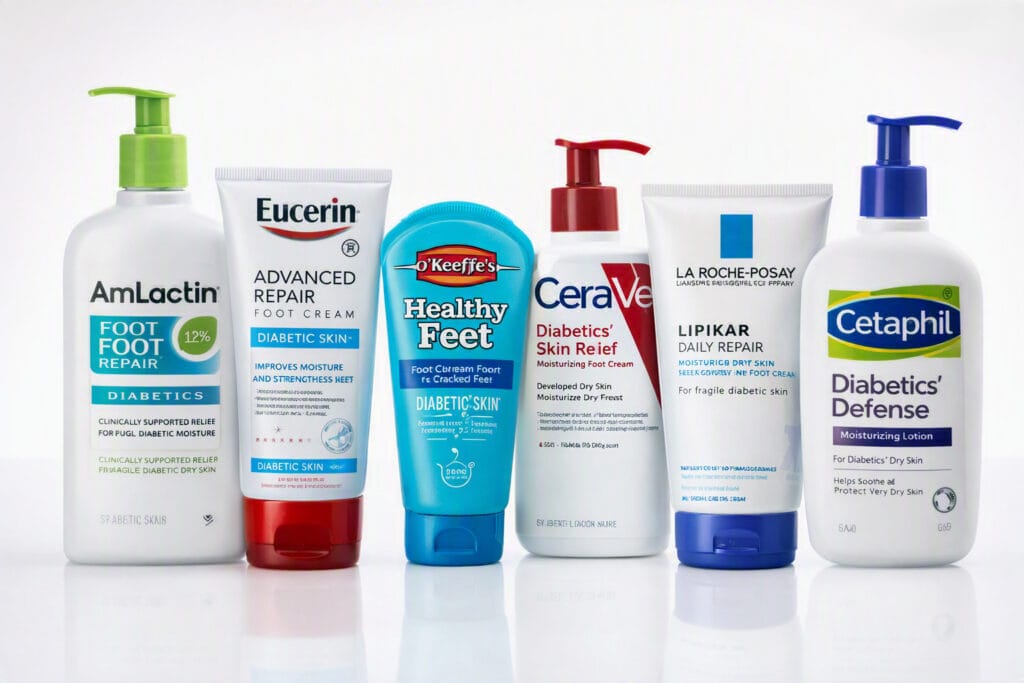
When you have diabetes, your feet demand special attention. Diabetic skin is more prone to dryness, cracks, and infections—complications that can escalate quickly without proper care. The right lotion isn’t just about comfort; it’s a preventive health measure that can protect you from serious complications like ulcers and infections. At Divyam Reconstructive Diabetic Foot Care (RDFC) in Visakhapatnam, we’ve guided hundreds of patients through choosing and using the best lotions to maintain healthy feet. In this comprehensive guide, Dr. Sumitra Gantayet and our team share our expert recommendations, ingredient insights, a proven daily routine, and advanced strategies to keep your feet protected and healthy.
Why Diabetic Feet Need Specialized Skincare
Understanding the Challenge
Diabetes affects skin health in multiple ways. High blood sugar levels reduce collagen production, making skin less elastic and more prone to damage. Diabetic neuropathy—nerve damage caused by prolonged high blood sugar—numbs your feet, making it harder to detect minor cuts or blisters. Meanwhile, reduced blood circulation slows healing, turning small problems into serious complications.
The Dryness Problem
Diabetic feet are chronically dry. This happens because high blood sugar damages sweat glands, reducing natural moisture. Without intervention, this dryness leads to:
- Cracked heels that can become entry points for infection
- Calluses that thicken without proper moisturizing
- Fissures that bleed and increase infection risk
- Loss of skin elasticity, reducing shock absorption while walking
- Foot odor from bacteria thriving in moist cracks
Research data shows that approximately 1 in 4 people with diabetes will develop a foot ulcer at some point in their lifetime. However, studies also demonstrate that 85% of diabetic amputations could be prevented with proper foot care and early intervention. This means that a consistent lotion routine—paired with professional monitoring—can literally save your limbs.
The Triple Impact: Why Lotion Matters
A quality diabetic foot lotion works on three levels:
- Preventive: Maintains skin barrier integrity, stopping cracks before they start
- Curative: Heals existing damage like cracked heels and calluses
- Protective: Creates an environment less hospitable to fungal and bacterial infections
What Makes a Lotion Suitable for Diabetic Feet?
Key Ingredients to Look For
Not all lotions are created equal for diabetic feet. Here are the essential ingredients that clinical research and our experience at RDFC recommend:
Urea (10-40%): A powerful humectant that penetrates dead skin and restores moisture to cracked heels. Higher concentrations (30-40%) are prescription-grade and require gradual introduction. At RDFC, we often recommend starting with 10-20% and adjusting based on response.
Glycerin: Draws water into the skin, providing deep hydration without greasiness. Works synergistically with urea for enhanced penetration.
Lactic Acid (AHA): Gently exfoliates dead skin buildup, improving circulation and product absorption. Works best 2-3 times weekly, not daily.
Ceramides: Restore the skin barrier, reducing moisture loss and irritation. Critical for patients with diabetic neuropathy who have compromised skin integrity.
Shea Butter & Cocoa Butter: Natural emollients that provide lasting moisture and improve skin elasticity. Rich in fatty acids that support skin repair.
Salicylic Acid (0.5-2%): Mild chemical exfoliant that removes calluses without harsh scrubbing. Use cautiously if skin is already compromised.
Vitamin E & Antioxidants: Protect against oxidative stress and support skin repair. Also help with the inflammatory response common in diabetic skin.
Aloe Vera: Soothes irritation and has mild antibacterial properties. Particularly helpful for inflamed or infected cracks.
Ingredients to Avoid
Just as important is knowing what NOT to use on diabetic feet:
Perfumes & Strong Fragrances: Can irritate sensitive diabetic skin and mask warning signs of infection. Even “natural” essential oils can trigger reactions in neuropathic skin.
Alcohol-based products: Dry out skin further and can cause cracking. Included in many “medicated” foot sprays—check labels carefully.
Products with high mineral oil content: Trap moisture but don’t allow skin to breathe. Can create occlusive environments that encourage fungal growth.
Petroleum jelly between toes: Creates warm, moist environment that promotes fungal infections. Use only on heels, never between toes or on soles.
Lanolin: Can trigger allergic reactions in sensitive diabetic skin. Often found in “natural” foot creams.
Best Lotion Recommendations for Diabetic Feet
For Severe Dryness & Cracked Heels
AmLactin Lotion (12% Lactic Acid): Clinically proven to soften cracked heels and calluses. Use 2-3 times daily on affected areas. Results typically visible within 7-10 days of consistent use.
Note: May cause mild tingling—this is normal and subsides with continued use.
Eucerin Advanced Repair Cream: Contains ceramides and glycerin for deep hydration without a greasy feel. Dermatologist-tested and fragrance-free. One of the most recommended by podiatrists for chronic diabetic dryness. . Best used as a base lotion combined with targeted treatments.
Aquaphor Healing Ointment: A medicated formula that seals in moisture and supports the skin barrier. Apply after cleansing, especially at bedtime. Contains petrolatum combined with other healing agents—more effective than plain petroleum jelly. Use under socks overnight for maximum benefit.
O’Keeffe’s Healthy Feet Foot Cream: Specifically formulated for diabetics and extremely dry feet. Contains glycerin and allantoin for healing. Absorbs quickly without greasiness. Several RDFC patients report this as their most-trusted everyday lotion.
For General Daily Moisturizing
CeraVe Lotion: Contains ceramides and hyaluronic acid for lightweight hydration. Won’t clog pores and is ideal for daily use. Non-comedogenic and hypoallergenic. Excellent for maintenance when you don’t have active cracks.
Cetaphil Lotion: Simple, fragrance-free formula with glycerin. Recommended by dermatologists for sensitive skin. Very gentle and unlikely to trigger reactions. Often recommended as a starting point for patients new to diabetic foot care.
Neutrogena Norwegian Formula Hand Cream (for feet): Rich in glycerin and specifically formulated for extra-dry skin. Fast-absorbing despite being a cream. Despite the small size, a little goes a long way due to rich formulation.
For Sensitive Skin & Neuropathy
La Roche-Posay Lipikar Lotion: Hypoallergenic with niacinamide and ceramides. Tested safe for diabetic and neuropathic skin. Particularly good for patients with compromised skin barriers. Worth the investment for extremely sensitive feet.
Aveeno Skin Relief Lotion: Oat extract soothes irritation while colloidal oatmeal provides gentle exfoliation. Particularly effective for itchy, irritated feet. Many patients with neuropathic burning find relief within days of starting.
Vanicream Lotion: Formulated to be hypoallergenic with no dyes, fragrances, or harsh chemicals. Dermatologist-recommended for sensitive skin conditions. Excellent for patients with allergic reactions to other products.
Quick Comparison: Which Lotion is Right for You?
| Product | Best For | Price | Speed | Greasiness | Scent |
|---|---|---|---|---|---|
| AmLactin (12%) | Cracked heels | ₹2,494 – ₹3,736 | Fast | Very Low | None |
| Eucerin Repair | Daily care | ₹1,482 – ₹2,050 | Medium | Medium | None |
| O’Keeffe’s | Severe dryness | ₹1,290 – ₹1,761 | Fast | Very Low | None |
| CeraVe | Maintenance | ₹376 – ₹1,680 | Fast | Very Low | None |
| La Roche Lipikar | Sensitive skin | ₹1,922 – ₹3,499 | Medium | Medium | None |
| Cetaphil | Starting point | ₹665 – ₹1,898 | Fast | Low | None |
A Complete Daily Diabetic Foot Care Routine
Application Order & Timing
Follow this step-by-step routine for best results:
Step 1: Inspect Your Feet (Daily) Look for cuts, blisters, redness, or swelling. Use a mirror for the soles and between toes. Since diabetic neuropathy numbs sensation, visual inspection is critical. Set a phone reminder to do this at the same time each morning—it takes just 2 minutes but can save your feet. Watch for: any change in color, new blisters or sores, peeling skin, swelling between toes, or unusual odor.
Step 2: Cleanse Gently Wash feet with mild soap in lukewarm (not hot) water for 2-3 minutes. Hot water can damage sensitive skin and increase dryness. Water temperature should be around 32-37°C (90-98°F). Use a soft washcloth—never scrub aggressively. Pay special attention to areas between toes where bacteria and fungi hide.
Step 3: Dry Thoroughly Pat dry with a soft towel, paying special attention to areas between toes and under the toenails. Moisture here promotes fungal infections. Take 1-2 minutes for this step—rushing can leave damp areas. If your feet sweat easily, keep a designated foot towel separate from body towels.
Step 4: Apply Lotion (While Skin is Still Damp) Within 3 minutes of washing, apply your chosen lotion. Damp skin absorbs moisture-based products better than completely dry skin. Use about 1 tablespoon per foot. Massage in circular motions to promote circulation—this is especially important if you have reduced blood flow. Spend 2-3 minutes massaging, paying special attention to heels and the sole. The massage itself improves circulation and helps the lotion penetrate deeper.
Step 5: Skip Between Toes Do NOT apply lotion between toes—this traps moisture and encourages fungal growth. Instead, apply powder if you have excessive moisture. A simple unmedicated talc-free powder works well. Pat off excess—your toes should feel dry, not powdery.
Step 6: Repeat 2-3 Times Daily Morning (after showering), evening (after work/before dinner), and before bed for severely cracked heels. Once daily is minimum maintenance if you don’t have cracks. The timing helps you remember: Morning + Evening + Bedtime creates a habit you’ll stick to.
Nighttime Intensive Care Routine
For severely cracked heels, implement this 3-4 times per week:
- Apply thick cream or ointment (like Aquaphor) generously to entire foot
- Put on 100% cotton socks (or old socks you don’t mind staining)
- Leave on overnight (8+ hours)
- In the morning, remove socks and gently wipe away excess with a towel
This intensive approach allows deep penetration—results are often visible within 3-5 applications. Many patients report that their worst cracks improve significantly within 2 weeks of nightly intensive care.
Addressing Stubborn Issues
For severe cracking and calluses, combine lotion with other therapies:
Gentle pumice stone use: Use a pumice stone gently 1-2 times per week, ONLY on thick calluses, NEVER on raw or bleeding skin. Soak feet first to soften, then use light circular motions. Never apply pressure—let the stone’s abrasiveness do the work.
Epsom salt soaks: Soak feet 10-15 minutes in warm Epsom salt water before applying urea-based lotion. This softens the skin and enhances lotion penetration. Use 1 tablespoon Epsom salt per liter of warm water.
Moisture-locking socks: Wear cotton blend socks overnight after applying thick creams. The sock prevents rubbing while the lotion penetrates. Change socks if they become damp during the night.
Foot baths: Warm foot baths 2-3 times weekly improve circulation and lotion absorption. Add a few drops of tea tree oil if fungal concerns are present.
Professional intervention: If cracks won’t heal or show signs of infection (warmth, redness, drainage, odor), consult a specialist immediately. Do not try to manage infected cracks at home—they require professional treatment.
Seasonal Foot Care: Adjusting Your Routine Through the Year
Summer Care (Hot, Humid Season)
Summer brings increased sweating and moisture. Adjust your routine:
- Switch to lighter lotion formulations (not heavy creams)
- Use foot powder more frequently to manage moisture
- Inspect feet even more frequently due to fungal risk
- Wear moisture-wicking socks when possible
- Avoid walking barefoot on warm surfaces (can damage neuropathic feet)
Winter Care (Cold, Dry Season)
Winter dramatically increases dryness. Counter this with:
- Increase lotion application frequency to 3-4 times daily
- Switch to heavier creams and ointments
- Implement nightly intensive care routine 4-5 times per week
- Use humidifier in bedroom to combat dry air
- Keep feet warm with proper socks—never expose to extreme cold
The Nutrition Connection: Supporting Skin Health from Within
While topical lotion is essential, internal nutrition supports skin healing. Studies show that deficiencies in certain nutrients directly impact diabetic skin quality:
Vitamin C (1,000-2,000 mg daily): Supports collagen synthesis and immune function. Helps wounds heal faster. Found in citrus, berries, peppers.
Zinc (15-25 mg daily): Critical for skin repair and immune response. Low zinc levels are common in diabetes. Found in seafood, nuts, seeds.
Omega-3 Fatty Acids: Reduce inflammation and support skin elasticity. Include fatty fish 2-3 times weekly or take fish oil supplements.
Protein (25-30 grams daily): Required for collagen and skin tissue repair. Include lean protein at each meal.
Water (8-10 glasses daily): Hydration supports all skin functions. Diabetics often have reduced thirst sensation—drink on schedule, not on thirst.
Exercise & Circulation: Why Movement Matters
Poor circulation is a primary driver of diabetic foot complications. While lotion works on skin surface, exercise improves blood flow—which determines how effectively your skin heals:
Walking (20-30 minutes daily): Improves circulation and strengthens foot muscles. Start slowly if you have neuropathy. Wear properly fitted diabetic shoes.
Foot exercises: Ankle circles, calf stretches, and toe taps improve flexibility and circulation. Do these while sitting for 5 minutes daily.
Leg elevation: Raise feet above heart level 15-20 minutes daily to reduce swelling. This also improves circulation when you lower legs again.
Avoid sitting cross-legged: This restricts circulation to feet. Sit with feet flat or elevated.
When to See a Specialist
While a good lotion is essential maintenance, certain conditions require immediate professional evaluation:
- Any crack that bleeds or shows signs of infection (redness, warmth, odor, discharge)
- Persistent calluses that grow back rapidly after treatment
- Ulcers or open sores that won’t heal after 2 weeks of home care
- Fungal infections between toes or under nails (discoloration, thickening, crumbling, itching)
- Unexplained swelling, numbness progression, or burning pain not responding to lotion
- Any change in foot color, temperature, or sensation
At RDFC, Dr. Sumitra Gantayet and our team specialize in diagnosing and treating diabetic foot complications. We can recommend prescription-strength products, perform professional callus removal with diabetic-safe techniques, assess your neuropathy status, and create a personalized care plan tailored to your specific needs. Early intervention prevents small problems from becoming serious complications—we’ve prevented countless ulcers and amputations through early professional care combined with patient-led home routines.
FAQs
1. Can I use regular lotion on diabetic feet?
Regular lotions are often too light for diabetic feet and lack the therapeutic ingredients needed to address chronic dryness and calluses. Diabetic-specific or medicated lotions containing urea, lactic acid, or glycerin are significantly more effective. If you’ve been using regular lotion without improvement after 4-6 weeks, switching to a specialist lotion should show results within 2-3 weeks. The difference in effectiveness is usually dramatic.
2. How often should I apply lotion if I have neuropathy?
With neuropathy, the reduced sensation means you’re at higher risk of complications from dryness. We recommend applying lotion at least 2-3 times daily, especially if you have cracked heels. Make it part of your routine: morning (after showering), afternoon (optional), and before bed. This frequency prevents cracks from deepening and maintains the skin barrier. Consistency matters more than frequency—3 times daily every day is better than 5 times daily sporadically.
3. Is urea lotion safe for diabetic feet?
Yes. Urea has been used in dermatology for decades and is considered safe for diabetic skin. It works by drawing moisture into the skin and gently softening dead cells. Concentrations of 10-20% are gentle for daily use; 30-40% is for more severe cases but should be introduced gradually. Some people experience mild tingling when first applying high-concentration urea—this is normal and typically subsides within a few minutes. If tingling persists longer than 10 minutes or causes burning, reduce concentration or frequency.
4. What’s the difference between lotion, cream, and ointment?
Lotion is water-based and lightweight, absorbing quickly (best for daily use). Creams are thicker with higher oil content, lasting longer (good for morning and evening). Ointments are the heaviest, with minimal water content, providing maximum occlusion (ideal for nighttime intensive care). For diabetic feet, creams and ointments work better for severe dryness and cracked heels. Strategy: Use lighter lotions during the day, switch to creams mid-day, and use ointments at night. Alternating throughout the day often produces better results than using one product exclusively.
5. Can lotion alone prevent diabetic foot ulcers?
Lotion is one critical component of prevention, but not sufficient on its own. Comprehensive ulcer prevention requires: daily foot inspection (catching problems early), proper blood sugar control (reducing tissue damage), appropriate footwear (reducing pressure), regular professional podiatric care (treating problems professionally), maintaining good circulation (improving healing), and proper nutrition (supporting skin health). Studies show that comprehensive foot care combining all these elements reduces ulcer risk by up to 85%. Lotion addresses dryness and cracking, but must be combined with other preventive measures. Think of lotion as one link in a protective chain—every link must be strong.
6. How long until I see improvement from using lotion?
Timeline varies by severity, but general expectations: Mild dryness shows improvement within 3-5 days. Moderate cracks begin softening within 1-2 weeks. Severe cracks may take 3-4 weeks of consistent application. Nightly intensive care accelerates results—many patients see dramatic improvements within 2-3 weeks of adding overnight treatments. If you see no improvement after 4 weeks of consistent use with a quality product, consult a specialist—this may indicate a more serious underlying condition.
7. Should I see a podiatrist even if my feet seem fine?
Yes. Annual diabetic foot screening is recommended for all diabetics, even those without symptoms. A professional can detect early neuropathy, reduced circulation, and structural foot problems before you notice them. This preventive approach allows intervention before complications develop. Dr. Gantayet recommends annual full foot assessment plus 2-4 maintenance visits yearly for patients with existing foot issues. Early intervention costs far less than treating established ulcers or managing amputations.
8. Can I switch lotions frequently or should I stick with one?
Consistency matters. Choose a product and use it for at least 3-4 weeks before evaluating effectiveness—skin needs time to adjust and show results. However, if you have a true allergic reaction (increased itching, redness, burning that worsens), switch immediately. Some patients benefit from rotating between complementary products: a lighter lotion for daytime and a heavier cream for evening. This combines the benefits of both. Experiment, but give each product an adequate trial period.
Take Action: Protect Your Feet Today
Diabetic foot care isn’t complicated, but it is essential. Choosing the right lotion and following a consistent routine can prevent serious complications and keep your feet healthy for years to come. You now have the knowledge to select the perfect product for your specific needs, understand when to use it, and recognize when professional help is needed.
If you’re not sure which lotion is right for your feet, or if you’re dealing with persistent cracking, calluses, or other foot concerns, don’t wait. Schedule a consultation with Dr. Sumitra Gantayet at Divyam Reconstructive Diabetic Foot Care (RDFC) in Visakhapatnam. Our team will assess your feet, recommend the best products for your specific condition, evaluate your circulation and neuropathy status, and create a personalized care plan. We’re here to help you maintain healthy, protected feet and prevent serious complications before they start.
Contact RDFC
Divyam Reconstructive Diabetic Foot Care Clinic
Dr. Sumitra Gantayet, MD (Diabetology, Wound Care)
Visakhapatnam (Vizag), Andhra Pradesh
Website: https://rdfc.in/
Specializing in diabetic foot care, ulcer treatment, and diabetic wound management.