
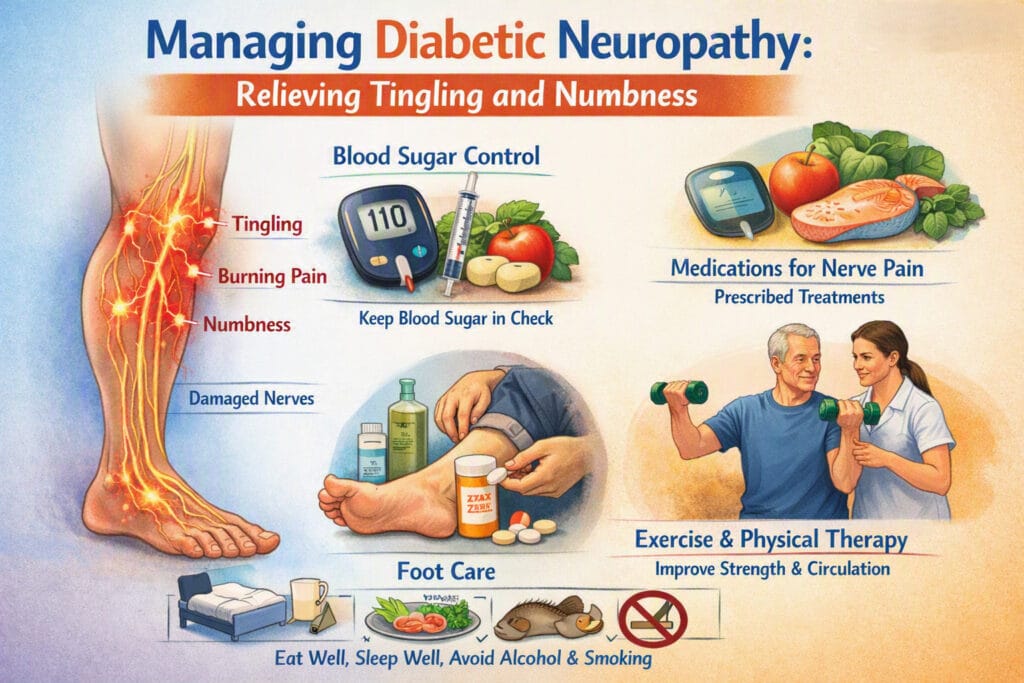
If you’re experiencing tingling, numbness, or burning sensations in your feet and legs, you’re not alone. Diabetic neuropathy affects millions worldwide, and for many people with diabetes, it’s one of the most frustrating complications to manage. The good news? With the right approach, you can significantly reduce symptoms and prevent serious complications. At Divyam Reconstructive Diabetic Foot Care (RDFC) in Visakhapatnam, we’ve helped hundreds of patients regain comfort and confidence in their daily lives through evidence-based neuropathy management. This guide covers proven strategies, medical interventions, and lifestyle changes that work—starting today.
Understanding Diabetic Neuropathy: Why It Happens and What You Feel
Diabetic neuropathy occurs when consistently high blood sugar levels damage the nerves that carry signals from your brain to the rest of your body. This nerve damage is progressive, meaning it worsens over time without proper management. Most commonly, neuropathy affects the feet and legs first—a condition called peripheral diabetic neuropathy.
Types of Diabetic Neuropathy
Peripheral Neuropathy is the most common form, typically affecting both feet symmetrically. Patients report tingling (paresthesia), numbness, sharp shooting pains, or a “pins and needles” sensation, especially at night. Some describe it as walking on cotton or glass.
Autonomic Neuropathy damages nerves that control automatic body functions. This can result in foot swelling, reduced sweating (making feet dry and cracked), poor circulation, and loss of the body’s ability to sense temperature changes.
Proximal Neuropathy affects the thighs, hips, and buttocks, causing severe pain and weakness that can impact mobility.
Why Tingling and Numbness Are Dangerous
Many patients dismiss tingling as merely uncomfortable. The real danger lies in numbness—when you can’t feel pain, you won’t notice injuries like blisters, cuts, or pressure ulcers forming on your feet. These small wounds can quickly escalate into serious infections, cellulitis, or even gangrene if left untreated. This is why early management and regular foot checks are critical.
The Statistics Matter: According to the American Diabetes Association, neuropathy affects approximately 50% of people with diabetes. More importantly, those with untreated neuropathy are 15 times more likely to undergo lower-limb amputation compared to those without neuropathy. Early detection and aggressive management can reduce this risk by up to 85%.
How Diabetic Neuropathy Affects Your Daily Life
Beyond the physical symptoms, neuropathy impacts quality of life in ways that extend far beyond tingling feet. Understanding these impacts helps you stay motivated with treatment and recognize when adjustments are needed.
Sleep Disruption and Fatigue
Neuropathic pain at night keeps millions of diabetic patients awake. The pain intensifies when lying down because there’s no weight distribution, causing nerve pressure. This leads to:
- Insomnia and fragmented sleep patterns
- Increased daytime fatigue and reduced productivity
- Weakened immune function (sleep deprivation impairs immune response)
- Worsening blood sugar control (poor sleep increases insulin resistance)
- Mental health challenges (chronic sleep loss increases depression and anxiety risk)
Many RDFC patients report that after starting targeted neuropathy treatment, their sleep quality dramatically improves within 2-3 weeks—often before complete symptom resolution.
Mobility Challenges and Fall Risk
Numbness in the feet disrupts your body’s proprioception (awareness of where your feet are in space). Combined with weakness from autonomic neuropathy, this creates a dangerous situation:
- Increased fall risk: People with moderate-to-severe neuropathy have 3x higher fall rates than those without
- Gait changes: You may walk stiffly or shuffle to compensate for numbness
- Balance problems: Especially on stairs, uneven surfaces, or in low light
- Reduced activity levels: Fear of falling leads to inactivity, which worsens blood sugar control and muscle weakness
Physical therapy and specialized footwear (fitted through RDFC’s services) can significantly improve stability and confidence.
Work and Career Impact
If neuropathy affects your dominant hand or impacts your standing ability, work becomes challenging:
- Difficulty holding tools, writing, or using keyboards
- Inability to stand for prolonged periods (affecting retail, teaching, healthcare workers)
- Reduced manual dexterity
- Need for workplace accommodations
Early treatment—sometimes combined with occupational therapy—helps patients return to full work capacity.
Emotional and Psychological Effects
Chronic neuropathy takes a toll on mental health:
- Chronic pain syndrome: Persistent pain without relief leads to depression in 30-40% of neuropathy patients
- Loss of independence: Mobility restrictions and need for assistance with daily tasks
- Social isolation: Pain and fatigue limit participation in social activities
- Anxiety: Worry about complications, amputation risk, and disease progression
Addressing emotional health through counseling, support groups, or mindfulness practice is as important as medical treatment.
Serious Complications: What Happens Without Treatment
Understanding potential complications motivates consistent management. While this isn’t meant to frighten you, awareness empowers better decision-making.
Charcot Foot (Neuropathic Arthropathy)
This severe complication occurs when repeated unnoticed trauma damages foot bones and joints. The foot loses its normal architecture and becomes swollen, warm, and deformed. Once developed, Charcot foot requires:
- Immediate immobilization and specialty care
- Expensive custom orthotic devices
- Prolonged recovery (6-12 months)
- Lifelong careful management to prevent amputation
Prevention is key: Regular specialist evaluations catch early signs before severe deformity develops.
Foot Ulcers and Infections
Without feeling pressure or pain, small areas of friction become ulcers. These wounds in a diabetic foot are particularly dangerous because:
- Neuropathy reduces blood flow (poor healing)
- High blood sugar creates an environment where bacteria thrive
- Infections spread rapidly in diabetic tissue
- Some ulcers progress to osteomyelitis (bone infection)
Untreated ulcers lead to amputation in 25% of cases. With aggressive treatment through specialized centers like RDFC, amputation is prevented in over 85% of cases.
Autonomic Complications
Beyond foot problems, untreated autonomic neuropathy affects:
- Heart rate regulation: Abnormal heart rhythms, “silent” heart attacks without warning pain
- Blood pressure control: Dangerous drops when standing (orthostatic hypotension)
- Gastrointestinal function: Delayed stomach emptying (gastroparesis), constipation, uncontrolled diarrhea
- Urinary control: Inability to empty the bladder fully, leading to infections
- Sexual dysfunction: Erectile dysfunction in men, reduced sensation and arousal in women
Advanced Nutritional Strategies for Neuropathy Relief
Nutrition plays a foundational role that many patients overlook. Beyond general diabetes diet guidelines, specific nutrients directly support nerve repair and reduce inflammation.
Essential Micronutrients for Nerve Health
B-Complex Vitamins (The Nerve Builders)
- Vitamin B12: Supports myelin sheath (insulation around nerves). Deficiency worsens neuropathy. Consider sublingual supplements (1,000 mcg daily) or injections if absorption is poor
- Vitamin B6: Involved in amino acid metabolism and neurotransmitter production
- Folate (B9): Reduces inflammatory markers linked to neuropathy
- Thiamine (B1): Improves glucose metabolism, directly benefiting nerve health
- Food sources: Fortified cereals, salmon, chicken, eggs, leafy greens, legumes
Vitamin D (The Immune Modulator)
- Low vitamin D levels correlate with worse neuropathy
- Target level: 30-50 ng/mL
- Supplementation: 1,000-2,000 IU daily; get levels tested quarterly
- Food sources: Fatty fish, egg yolks, fortified milk, mushrooms exposed to sunlight
Antioxidants (The Inflammation Fighters)
- Alpha-lipoic acid (ALA): 600 mg daily reduces neuropathic pain by 30-50% in clinical studies
- Vitamins C & E: Combat free radical damage to nerves
- Polyphenols: Found in berries, dark chocolate (70%+ cocoa), green tea
Anti-Inflammatory Foods to Prioritize
Omega-3 Powerhouses:
- Fatty fish: Salmon, mackerel, sardines (2-3 times weekly)
- Plant sources: Flaxseeds (2 tbsp ground daily), chia seeds, walnuts
- Benefit: Reduce inflammatory cytokines that damage nerves
Whole Grains & Fiber:
- Brown rice, quinoa, oats, barley
- Legumes: Lentils, chickpeas, black beans
- Benefit: Prevent blood sugar spikes; feed healthy gut bacteria that produce neuroprotective compounds
Colorful Vegetables (Eat the Rainbow):
- Red/pink: Tomatoes, watermelon (lycopene)
- Orange/yellow: Carrots, sweet potatoes, squash (beta-carotene)
- Dark leafy greens: Spinach, kale, broccoli (folate, vitamins K, C)
- Purple/blue: Eggplant, blueberries (anthocyanins)
Foods to Minimize or Avoid
- Refined carbohydrates: White bread, pastries, sugary cereals → cause blood sugar spikes
- Trans fats: Fried foods, commercial baked goods → increase inflammation
- Excess salt: Processed foods → worsen swelling and blood pressure
- Alcohol: Damages nerves directly; impairs B vitamin absorption (if drinking, limit to 1 drink/day for women, 2 for men)
Sample Neuropathy-Friendly Daily Menu
Breakfast: Oatmeal with ground flaxseeds, blueberries, and unsweetened almond milk + 1 boiled egg
Mid-morning snack: Handful of almonds + orange
Lunch: Grilled salmon, quinoa, steamed broccoli, side salad with olive oil
Afternoon snack: Greek yogurt with walnuts
Dinner: Lentil curry (chickpeas, turmeric, ginger, spinach, tomatoes) with brown rice
Evening: Green tea with 1 square of dark chocolate
Complementary and Alternative Therapies
While these shouldn’t replace conventional medical treatment, several complementary approaches have evidence supporting their use alongside standard care.
Acupuncture
Traditional Chinese acupuncture for neuropathy stimulates nerves and releases endorphins. Multiple studies show:
- 40-60% of patients report 30%+ pain reduction
- Best results with 2-3 sessions weekly for 8 weeks, then maintenance
- Works particularly well combined with gabapentin (rather than as standalone)
- Cost: $50-150 per session in Visakhapatnam
Finding a qualified practitioner: Ensure they’re trained in diabetic neuropathy treatment and certified by their regulatory body.
Massage and Physical Therapy
Targeted massage reduces pain and improves circulation. Focus on:
- Foot massage: 10-15 minutes daily; use circular motions, avoid vigorous pressure
- Calf massage: Improves circulation to feet
- Professional massage therapy: 1-2 times monthly by a therapist experienced with neuropathy
- Physical therapy:** Improves strength, balance, and proprioception (2-3 times weekly for 6-8 weeks)
Transcutaneous Electrical Nerve Stimulation (TENS)
TENS devices send mild electrical pulses through electrodes on the skin, blocking pain signals. Evidence shows:
- 50-70% reduction in neuropathic pain when used consistently
- Portable devices available for home use ($30-200)
- Use 20-30 minutes, 2-3 times daily
- No serious side effects, though tingling from the device itself takes adjustment
Herbal Supplements (Use With Caution)
Some herbal options have preliminary evidence, but always discuss with your doctor first (they may interact with medications):
- Curcumin (from turmeric): 500-1,000 mg daily; reduces inflammation and pain
- Ginger: 1-2 grams daily (fresh or supplement); anti-inflammatory
- Evening primrose oil: 1,500-3,000 mg daily; some studies show nerve improvement
- Capsaicin (from chili peppers): Already discussed as topical cream
Seasonal Neuropathy Management
Neuropathy symptoms often fluctuate with seasons. Proactive seasonal strategies prevent flare-ups.
Winter Challenges and Solutions
Challenge: Cold temperatures constrict blood vessels, reducing circulation to feet. Neuropathic pain typically worsens in winter.
Solutions:
- Keep feet warm: Wear thick, moisture-wicking socks; avoid tight compression
- Avoid prolonged exposure to cold
- Keep home temperature comfortable; use heated blankets (but test temperature first to avoid burns)
- Increase blood flow: Gentle foot exercises 2-3 times daily
- Boost vitamin D: Supplement or take brief midday sun exposure (10-15 minutes)
- Maintain consistent exercise: Indoor activities become more important
Summer Considerations
Challenge: Heat increases swelling and can make tight shoes/socks unbearable. Also, barefoot summer activities increase injury risk.
Solutions:
- Wear breathable, moisture-wicking socks even in summer
- Use well-ventilated sandals with arch support (never go barefoot)
- Inspect feet daily for heat-related damage (blistering from sand, pool edges)
- Stay hydrated (improves blood volume and circulation)
- Avoid extremely hot water (reduces sensation makes burns likely)
Spring and Fall Transitions
- Update your medication regimen as activity levels change
- Monitor symptoms closely during seasonal shifts
- Adjust exercise intensity based on weather
- Stay consistent with foot care regardless of season
Tracking Progress: How to Monitor Your Neuropathy Management
Accurate symptom tracking helps both you and your doctor assess what’s working and what needs adjustment.
Creating an Effective Symptom Log
Track these elements weekly:
Tingling & Numbness Severity (0-10 scale):
- Morning (upon waking)
- Afternoon
- Evening
- Nighttime (if you wake due to symptoms)
Pain Characteristics:
- Burning, shooting, aching, or sharp
- Location (which toes, sole, top of foot, ankle)
- Duration (constant vs. intermittent)
Triggers Noticed:
- Specific foods that worsened or improved symptoms
- Activity level effects
- Stress correlation
- Sleep quality impact
Medication Response:
- Time from taking medication to symptom relief
- Duration of relief
- Side effects experienced
- Any changes in medication effectiveness over time
Functional Impact:
- Walk distance before discomfort sets in
- Sleep quality (hours slept, disruptions)
- Ability to work/perform daily tasks
- Mood/anxiety levels
Tools to Simplify Tracking
- Apps: Contain symptom tracking built-in (search “neuropathy tracker” in your app store)
- Simple spreadsheet: Google Sheets or Excel with daily/weekly entries
- Printed log: Photocopy a template; keep near your bed for easy daily access
- Smart home devices: Voice-log symptoms to your phone’s notes app
Sharing Data With Your Doctor
Bring your log to every appointment. Highlight trends:
- “My pain is consistently worse between 10 PM-2 AM”
- “After starting walking, symptoms improved 30% by week 3”
- “Certain foods (spicy foods, processed sugars) visibly worsen tingling within 2 hours”
This data-driven approach allows precise medication adjustments and targeted lifestyle recommendations.
Common Mistakes in Neuropathy Management
Learning from others’ missteps can accelerate your own recovery.
Mistake #1: “Ignoring Early Symptoms”
The problem: Many patients brush off initial tingling as minor, waiting years before seeking treatment. By then, permanent nerve damage has occurred.
The fix: Any new tingling, numbness, or burning sensation warrants a specialist evaluation. Early intervention dramatically improves outcomes.
Mistake #2: “Stopping Medications Too Soon”
The problem: Patients feel better after 2-3 months and stop their neuropathy medications, assuming the problem is “fixed.” Symptoms rapidly return.
The fix: Neuropathy medication requires long-term consistency. Discuss tapering plans with your doctor only after sustained improvement over 6+ months, and only with medical supervision.
Mistake #3: “Focusing Only on Medication, Ignoring Lifestyle”
The problem: Taking gabapentin while continuing poor blood sugar control and sedentary behavior limits results.
The fix: Medication + blood sugar control + exercise + nutrition + foot care = maximum improvement. No single factor is sufficient alone.
Mistake #4: “Using Over-the-Counter Pain Relievers”
The problem: NSAIDs (ibuprofen, aspirin) don’t effectively treat neuropathic pain and may mask serious foot injuries.
The fix: Neuropathic pain requires nerve-specific medications (gabapentin, pregabalin, duloxetine), not general pain relievers.
Mistake #5: “Avoiding Specialist Care”
The problem: Hoping your primary care doctor alone can manage neuropathy often delays diagnosis and optimal treatment.
The fix: Diabetic neuropathy is complex. Specialist evaluation through centers like RDFC ensures proper diagnosis, access to advanced treatments (nerve blocks, injections), and expert guidance unavailable in general practice.
How Neuropathy Relates to Other Diabetic Complications
Neuropathy doesn’t occur in isolation—it interacts with other diabetic complications, creating compounding risks.
Neuropathy + Retinopathy (Eye Damage)
- Both share similar mechanisms: high blood sugar damages small blood vessels
- Patients with both are at higher overall risk of severe complications
- Vision loss + foot numbness = increased fall risk
- Management: Tight blood sugar control, regular eye exams
Neuropathy + Nephropathy (Kidney Disease)
- Neuropathy correlates with 2-3x higher kidney disease risk
- Poor kidney function impairs medication clearance, requiring dose adjustments
- Both conditions worsen with poor blood sugar control and high blood pressure
- Management: Monitor kidney function (eGFR, protein) quarterly; control blood pressure strictly
Neuropathy + Cardiovascular Disease
- Autonomic neuropathy damages heart-regulating nerves
- People with neuropathy have higher heart attack and stroke risk
- Silent ischemia (heart attacks without warning pain) is common
- Neuropathy + hypertension + high cholesterol = severe risk
- Management: Aggressive cardiovascular risk factor control
Medications and Treatments for Neuropathic Pain Relief (Expanded)
Let me provide more depth on treatment options beyond the initial overview.
First-Line Medications (Extended Details)
Gabapentin (Neurontin) – Deep Dive
- Mechanism: Reduces calcium influx in overactive neurons
- Dosing schedule: Start 300 mg once daily (evening), increase by 300 mg every 3-5 days
- Typical therapeutic dose: 900-3,600 mg daily in 3 divided doses
- Onset: 7-14 days for initial benefit; full effect at 4-6 weeks
- Side effects: Dizziness (especially first 2 weeks), drowsiness, weight gain (5-10 lbs average), potential memory issues
- Advantages: Safe, non-addictive, improves sleep
- Disadvantages: Must be taken 3x daily; requires slow titration; kidney function affects clearance
- Cost: Inexpensive, often covered by insurance; generic available
Pregabalin (Lyrica) – Deep Dive
- Mechanism: Similar to gabapentin but more potent and faster-acting
- Dosing: Start 75 mg daily (divided into 2-3 doses), increase to 150-300 mg daily
- Onset: 3-7 days for initial improvement
- Side effects: Similar to gabapentin; dizziness, drowsiness, weight gain; higher addiction potential
- Advantages: Faster relief; fewer daily doses needed; consistent blood levels
- Disadvantages: More expensive; controlled substance (addiction potential); weight gain
- Cost: $150-300/month without insurance; check for manufacturer assistance programs
Second-Line Medications (Extended)
Duloxetine (Cymbalta) – For Dual Benefits
- How it works: SNRI (serotonin-norepinephrine reuptake inhibitor); increases calming neurotransmitters
- Dosing: 30-60 mg daily
- Timeline: Benefits appear in 2-4 weeks; full effect at 8-12 weeks
- Advantage: Improves both neuropathic pain AND depression/anxiety (common with chronic neuropathy)
- Side effects: Nausea initially (take with food), sexual dysfunction, withdrawal symptoms if stopped abruptly
- Cost: $40-80/month generic
Topical Treatments
- Lidocaine patches (5%): Numb the skin surface; apply 8-12 hours daily over painful areas; great for localized pain; no systemic side effects
- Capsaicin cream (0.075%): Derived from chili peppers; “burns away” pain signals; apply 3-4x daily; takes 4-6 weeks to work; produces temporary warming/burning sensation
- Combination creams: Some compounding pharmacies create custom topical blends combining lidocaine + capsaicin for enhanced relief
Specialized Injection Therapies (RDFC Expertise)
Nerve Blocks
- Mechanism: Local anesthetic injected around targeted nerves under ultrasound guidance
- Duration: Relief lasts 4-12 weeks; can be repeated
- Benefits: No systemic side effects; addresses specific pain areas
- Procedure: Outpatient; 15-minute procedure; return to normal activity same day
- Cost: $300-800 per block; may be covered by insurance
Regenerative Medicine Approaches
- Platelet-rich plasma (PRP): Your own blood platelets concentrated and injected into damaged nerve areas; promotes healing
- Stem cell therapy: Emerging option; shows promise in clinical trials; availability limited
- Prolotherapy: Stimulates body’s healing response through targeted injections
Corticosteroid Injections
- Use: Reduce inflammation around affected nerves
- Duration: 2-6 weeks of relief
- Limitation: Can’t be repeated too frequently (maximum 3-4 times yearly due to tissue damage risk)
Real Patient Success Stories
Understanding that others have overcome neuropathy challenges provides hope and practical insights.
Case Study 1: Early Detection Success
Patient: Ramesh, 45, Visakhapatnam, Type 2 diabetes for 3 years
Situation: Noticed mild tingling in toes; initially ignored it. Six months later, tingling spread to entire feet with nighttime pain disrupting sleep.
Treatment at RDFC:
- Comprehensive neuropathy assessment (NCS/EMG confirmed moderate peripheral neuropathy)
- Started pregabalin 150 mg daily + enhanced diabetes medication optimization
- Intensive foot care protocol + twice-weekly walking program
- Monthly specialist reviews with medication adjustments
Results (3 months):
- Tingling reduced by 60%; nighttime pain nearly eliminated
- Sleep improved from 4-5 hours to 7-8 hours nightly
- A1C improved from 8.2% to 7.4%
18 months later: Continues maintenance therapy; considers himself “95% improved”; walks 5 km daily without discomfort.
Case Study 2: Severe Neuropathy Reversal
Patient: Manisha Yadav, 52, Visakhapatnam, Type 2 diabetes for 8 years
Situation: Severe neuropathy with constant burning, numbness so severe she couldn’t distinguish hot from cold water, frequent falls due to balance problems.
Treatment at RDFC:
- Initial treatment: Gabapentin 2,400 mg daily + duloxetine 60 mg for comorbid depression
- Nerve blocks (bilateral foot) for acute pain relief
- Intensive physical therapy 3x weekly (6 months)
- Complete dietary overhaul with nutritionist guidance
- Continuous glucose monitoring to identify patterns
Results (6 months):
- Burning pain reduced by 70%
- Numbness improved 40%; can now distinguish temperature
- Falls eliminated; confidence in walking restored
- A1C improved from 9.1% to 7.8%
24 months later: Reduced gabapentin to 1,200 mg; duloxetine discontinued; maintains minimal symptoms through lifestyle management; returned to gardening hobby.
Blood Sugar Control: The Foundation of Neuropathy Relief
The single most effective way to prevent worsening neuropathy and sometimes even reverse early symptoms is maintaining optimal blood sugar levels.
Target Blood Sugar Ranges
Work with your diabetes care team to establish personalized targets. Generally:
- Fasting blood sugar: 80–130 mg/dL
- Post-meal (2-hour) levels: Less than 180 mg/dL
- A1C target: Below 7% for most adults (your doctor may adjust based on your situation)
Studies show that tight glycemic control, particularly in the first 5–10 years after diabetes diagnosis, significantly slows neuropathy progression. Some patients with early-stage neuropathy have experienced partial reversal of symptoms through sustained glucose management.
Medication Optimization
Review your diabetes medications with your doctor. Newer medications like GLP-1 agonists (semaglutide, dulaglutide) not only help control blood sugar but also offer cardioprotective and neuroprotective benefits in some patients. Depending on your situation, your doctor might adjust metformin dosage, add sulfonylureas, or switch to SGLT2 inhibitors.
Continuous Glucose Monitoring (CGM)
If you’re managing tingling and numbness, a CGM device (like Freestyle Libre or Dexcom) provides real-time glucose trends. Knowing how specific foods, stress, and activity affect your blood sugar helps you make immediate adjustments—preventing the sugar spikes that worsen neuropathy.
Medications and Treatments for Neuropathic Pain Relief
Once neuropathy develops, pain management becomes essential. Several medications are specifically approved for diabetic neuropathy.
First-Line Medications
Gabapentin (Neurontin) reduces nerve pain by calming overactive nerve signals. It’s often started at 300 mg daily and increased gradually. Common side effects include dizziness and drowsiness.
Pregabalin (Lyrica) works similarly to gabapentin but is faster-acting. Most patients see relief within days to weeks.
Second-Line Options
If gabapentin or pregabalin don’t work well, your doctor might recommend:
- Duloxetine (Cymbalta): An SNRI antidepressant that also relieves neuropathic pain
- Topical creams: Capsaicin cream or lidocaine patches applied directly to painful areas
- Tramadol: A mild opioid reserved for severe pain that doesn’t respond to other treatments
Injectable Treatments
Some clinics, including specialized centers like RDFC in Visakhapatnam, offer therapeutic injections—such as nerve blocks or regenerative medicine approaches—to reduce inflammation and improve nerve function in targeted areas.
Lifestyle Changes That Reduce Tingling and Numbness
Medication alone isn’t enough. Daily habits and self-care practices are equally important.
Movement and Exercise
Regular physical activity improves blood sugar control, enhances circulation, and reduces neuropathic pain. Aim for:
- 150 minutes of moderate-intensity aerobic activity per week (brisk walking, cycling, swimming)
- Resistance training 2–3 times weekly to strengthen legs and improve balance
- Gentle stretching and yoga to reduce stiffness and improve proprioception (body awareness)
Importantly, choose low-impact exercises. High-impact activities like running can stress already-compromised feet, potentially worsening neuropathy.
Foot Care and Protection
Since neuropathy reduces your ability to feel pain, meticulous foot care prevents serious complications:
- Inspect your feet daily using a mirror to check all surfaces
- Wash feet in lukewarm (not hot) water and dry thoroughly, especially between toes
- Moisturize with a fragrance-free lotion (avoid between toes to prevent fungal growth)
- Trim toenails straight across and file sharp edges
- Wear comfortable, well-fitting shoes with good arch support—avoid tight socks
- Never go barefoot, even at home
Dietary Strategies
Certain nutrients support nerve health:
- B vitamins (especially B12, B6, folate): Support nerve regeneration
- Omega-3 fatty acids: Found in fatty fish, flaxseeds, walnuts—reduce inflammation
- Antioxidant-rich foods: Berries, leafy greens, dark chocolate—combat oxidative stress
- Alpha-lipoic acid: A naturally occurring compound that may reduce pain (150–600 mg daily)
Simultaneously, avoid refined carbohydrates, excess sugar, and ultra-processed foods that spike blood glucose.
H3: Stress Management and Sleep
Chronic stress elevates cortisol, which worsens blood sugar control and neuropathic pain. Similarly, poor sleep reduces pain tolerance. Implement:
- Meditation or mindfulness: Even 10 minutes daily helps
- Deep breathing exercises: Especially before bed
- Consistent sleep schedule: Aim for 7–9 hours nightly
- Limiting screen time 1 hour before sleep
Advanced Treatments at RDFC Visakhapatnam
At Divyam Reconstructive Diabetic Foot Care in Visakhapatnam, Dr. Sumitra Gantayet and her team offer specialized interventions for moderate-to-severe neuropathy:
Comprehensive Neuropathy Assessment
We begin with detailed nerve conduction studies (NCS) and electromyography (EMG) to quantify nerve damage and establish a baseline for tracking improvement.
Targeted Pain Management
Our specialists deliver ultrasound-guided nerve blocks and therapeutic injections (such as corticosteroids or regenerative solutions) directly to affected nerve pathways, providing localized relief without systemic medication side effects.
Wound Management & Prevention
For patients with foot ulcers or at high risk, we provide advanced wound dressing protocols, offloading strategies with specialized footwear, and regular monitoring to catch infections early.
Circulation Enhancement
If neuropathy stems from poor blood flow, we assess vascular status and may recommend intermittent pneumatic compression therapy or other circulation-boosting treatments to improve oxygen delivery to damaged nerves.
Creating Your Personal Neuropathy Management Plan
Managing diabetic neuropathy effectively requires a coordinated, personalized approach.
Step 1: Establish Your Baseline
Schedule a comprehensive evaluation with an endocrinologist or neuropathy specialist. Document current symptoms, pain levels (using a 0–10 scale), and any existing complications.
Step 2: Set Blood Sugar Targets
Work with your diabetes care team to establish realistic A1C and daily glucose goals based on your age, other health conditions, and risk factors.
Step 3: Choose Your Treatment Combination
Based on severity and response to initial interventions, select a combination of:
- Optimized diabetes medications
- Neuropathy-specific medications (gabapentin, pregabalin, duloxetine)
- Topical treatments
- Lifestyle modifications
Step 4: Track Progress
Monitor tingling and numbness regularly. Keep a symptom log noting times of day, triggers (stress, certain foods, activity levels), and how interventions affect symptoms. Share this with your doctor quarterly.
Step 5: Adjust and Refine
Neuropathy management isn’t static. As your body responds to treatments, your plan may need adjustment. Regular follow-ups ensure you’re always on the optimal regimen.
Common Myths About Diabetic Neuropathy
Misinformation can delay effective treatment. Let’s debunk the most harmful myths.
Myth #1: “Neuropathy is just part of having diabetes—I have to live with it”
Reality: While neuropathy is common, it’s not inevitable, and it’s definitely not untreatable. With modern medical approaches, most neuropathy symptoms can be significantly reduced or eliminated. Acceptance without treatment is unnecessarily suffering.
Myth #2: “Pain medications will turn me into an addict”
Reality: Neuropathy-specific medications (gabapentin, pregabalin, duloxetine) are not opioids and have low addiction potential when used as prescribed. Even pregabalin, which is controlled, is rarely habit-forming at therapeutic neuropathy doses (150-300 mg). Your fear should be the cost of untreated pain—depression, sleep disruption, reduced activity—not the safety of prescribed medications.
Myth #3: “I should wait and see if neuropathy goes away on its own”
Reality: Diabetic neuropathy doesn’t spontaneously resolve. The longer you wait, the more permanent the nerve damage becomes. Early intervention (within the first 2 years of symptom onset) offers dramatically better outcomes than late treatment. If you’re experiencing symptoms, seek evaluation now.
Myth #4: “Once I lose feeling in my feet, it can’t come back”
Reality: While complete sensation restoration in severely damaged nerves is unlikely, significant improvement in sensation and symptom relief is possible even in advanced cases through comprehensive management. Early-stage neuropathy has excellent potential for substantial reversal.
Myth #5: “I need to avoid exercise because of my neuropathy”
Reality: The opposite is true. Exercise is one of the most powerful neuropathy treatments available. It improves blood sugar control, reduces pain, strengthens compensatory muscles, and improves balance. The key is choosing appropriate activities (low-impact) and monitoring carefully.
Myth #6: “My neuropathy is just a cosmetic issue—tingling feet don’t affect my health”
Reality: This is dangerously wrong. Neuropathy dramatically increases amputation risk, raises cardiovascular disease risk, and indicates that multiple organs (nerves, blood vessels, kidneys, eyes) are being damaged by high blood sugar. It’s a serious warning sign requiring aggressive intervention.
Emergency: When to Seek Immediate Care for Neuropathy-Related Issues
While chronic neuropathy is managed through regular appointments, certain situations require emergency evaluation.
Seek Immediate Medical Attention If:
Sudden Severe Pain
- A sharp, unbearable pain in your foot that appeared suddenly
- Pain that radiates up your leg
- Pain unrelieved by your usual medications
Foot Wound Complications
- Any open sore or blister on your foot
- Redness, warmth, pus, or bad odor from a foot wound
- Red streaking going up your leg from a foot wound (sign of infection spreading)
- Swelling that developed suddenly
Neurological Emergencies
- Sudden loss of consciousness or severe dizziness
- Weakness in both legs simultaneously
- Loss of bowel or bladder control
- Difficulty speaking or severe confusion
Circulatory Issues
- Foot that becomes pale, blue, or blackened
- Extreme coldness in one foot (while the other is normal)
- Sudden development of severe swelling in one leg
Infection Signs
- Fever above 101°F (38.3°C) with foot symptoms
- Chills or severe fatigue with foot problems
- Any foot wound that you cannot clean or dress safely
Note: If you’re uncertain whether symptoms warrant emergency evaluation, don’t hesitate to call your doctor or go to the emergency room. It’s always better to err on the side of caution with diabetic foot complications.
Your Next Step: Schedule a Neuropathy Consultation at RDFC Visakhapatnam
Tingling feet and numbness don’t have to be permanent fixtures of your life with diabetes. The longer you delay treatment, the more difficult nerve damage becomes to reverse. At Divyam Reconstructive Diabetic Foot Care (RDFC) in Visakhapatnam, Dr. Sumitra Gantayet specializes in comprehensive diabetic neuropathy management. We combine advanced diagnostics, evidence-based medications, specialized injections, and personalized lifestyle guidance to relieve your symptoms and prevent serious complications.
Why Choose RDFC for Your Neuropathy Care
✅ Expert Specialist: Dr. Sumitra Gantayet brings years of subspecialty experience in diabetic foot care and neuropathy management
✅ Advanced Diagnostics: State-of-the-art nerve conduction studies (NCS) and EMG testing to precisely assess nerve damage
✅ Comprehensive Treatment: Beyond medications—we offer ultrasound-guided nerve blocks, therapeutic injections, and regenerative approaches
✅ Personalized Plans: Each patient receives a customized management protocol addressing their specific neuropathy severity and lifestyle
✅ Prevention Focus: We don’t just treat symptoms—we prevent catastrophic complications like foot ulcers and amputation
✅ Local Expertise: Located in Visakhapatnam; understands the specific health landscape and cultural factors affecting your diabetes care
✅ Continuity of Care: Regular monitoring ensures your treatment plan evolves as your condition improves
What to Expect During Your Initial Consultation
Before Your Appointment (15 minutes):
- Complete health questionnaire including diabetes history, current medications, symptom timeline
- Pain and symptom assessment using standardized scales
- Review of any recent blood work or imaging
During Your Appointment (45-60 minutes):
- Comprehensive physical examination, including detailed neurological assessment
- Foot inspection and monofilament testing to assess sensation
- Discussion of your specific symptoms, how they affect daily life, and your treatment goals
- Review of current treatment attempts and their effectiveness
Diagnostic Testing (if needed, ~30 minutes):
- Nerve conduction studies: Measure how quickly electrical signals travel through your nerves
- Electromyography (EMG): Assesses muscle response to nerve signals
- Results provide objective baseline for tracking improvement
Treatment Planning Meeting:
- Dr. Gantayet discusses findings and explains your neuropathy severity in clear terms
- Personalized treatment plan combining medication optimization, injections (if appropriate), lifestyle modifications, and follow-up schedule
- Discussion of expected outcomes and realistic timelines
- Answers to all your questions
Next Steps:
- Start medications if recommended
- Nutrition and exercise consultation with our team
- Schedule follow-up appointment (typically 2-4 weeks)
- Receive home care instructions and symptom tracking log
FAQ
1. Can diabetic neuropathy be cured?
There’s no complete cure for established neuropathy, but symptoms can be significantly reduced or even partially reversed through tight blood sugar control, targeted medications, and lifestyle changes—especially if caught early. The key is starting management immediately upon diagnosis. Early-stage neuropathy (caught within first 1-2 years) has the best reversal potential, with some patients achieving 70-80% symptom improvement or elimination.
2. How long does it take to feel relief from tingling and numbness?
This varies considerably by individual and treatment type. Gabapentin shows benefits in 7-14 days; duloxetine takes 2-4 weeks; pregabalin works within 3-7 days. Lifestyle changes (diet, exercise) show measurable improvements in 4-6 weeks. However, true nerve regeneration from optimized blood sugar control may take 3-6 months to become apparent. Patience and consistency are essential.
3. Is neuropathy preventable in newly diagnosed diabetic patients?
Absolutely. Patients who maintain excellent blood sugar control (A1C <7%), exercise regularly (150 minutes weekly), eat a neuropathy-protective diet, and monitor their feet closely have significantly lower risk of developing neuropathy or experiencing only mild symptoms. Prevention is far easier than treatment.
4. Can I reduce or stop neuropathy medications once symptoms improve?
Never stop medications abruptly without consulting your doctor. If symptoms improve, your doctor may gradually reduce dosages over 4-8 weeks, but this is done carefully and under medical supervision. Often, maintaining medication at lower doses prevents symptom recurrence. The decision depends on your specific situation, nerve damage severity, and blood sugar control stability.
5. When should I see a specialist for diabetic neuropathy?
Consult a neuropathy specialist (like those at RDFC in Visakhapatnam) if: tingling worsens despite good blood sugar control, pain interferes with daily life or sleep, you develop foot ulcers or wounds that aren’t healing, your primary care doctor recommends specialist evaluation, or you’re experiencing balance problems and fall risk.
6. What’s the difference between tingling and numbness?
Tingling (paresthesia) is an abnormal sensation—pins and needles, prickling. Numbness is loss of sensation—you can’t feel touch or temperature changes. Tingling suggests early nerve damage (more reversible); numbness suggests more advanced damage. Most patients experience both—tingling in some areas, numbness in others. Both require urgent management.
7. Can neuropathy affect my hands?
Yes, though less commonly than feet. Distal symmetric polyneuropathy (the most common form) affects the extremities furthest from the body—feet first, hands second. Hand involvement occurs in 15-20% of neuropathy patients, particularly those with long-standing diabetes or poor control. Symptoms and treatment are identical to foot neuropathy.
8. Does neuropathy always get worse?
Not necessarily. With aggressive management, neuropathy can remain stable or even improve. However, without treatment, it typically progresses. The natural course without intervention shows 20-30% yearly worsening. With optimal management, many patients achieve stability within 1-2 years, then maintain that improved state indefinitely.
9. Are there any neuropathy medications that are safe during pregnancy?
This is a critical question for women of childbearing age. Most neuropathy medications (gabapentin, pregabalin, duloxetine) have limited pregnancy safety data. If you’re planning pregnancy or are pregnant, discuss this immediately with your endocrinologist and obstetrician. Tight blood sugar control becomes even more critical. Some topical treatments (lidocaine patches) are considered safer during pregnancy.
10. Can stress and anxiety worsen neuropathy symptoms?
Absolutely. Chronic stress elevates cortisol, which worsens blood sugar control and increases neuropathic pain perception. Anxiety also reduces your pain tolerance, making symptoms feel more severe. Conversely, effective stress management (meditation, yoga, counseling) often provides measurable symptom improvement. Many RDFC patients report that addressing stress reduces their medication needs.
11. Should I exercise even when my neuropathy hurts?
Yes, but with modifications. Exercise improves blood sugar control (the foundation of neuropathy management) and strengthens muscles that compensate for nerve damage. However, avoid high-impact activities (running, jumping) that stress already-compromised feet. Focus on: walking, swimming, cycling, gentle yoga, resistance training with controlled movements. Pain should not exceed 3-4 out of 10 during exercise.
12. Is my neuropathy permanent?
It depends on the degree of nerve damage. Mild-to-moderate neuropathy diagnosed early often improves or resolves with aggressive management (60-70% recovery possible). Severe, long-standing neuropathy (10+ years untreated) with significant permanent structural damage has more limited recovery potential. However, symptoms can still improve substantially, and progression can be halted. Even in severe cases, treatment significantly improves quality of life.
13. Will neuropathy interfere with my ability to feel a low blood sugar?
Autonomic neuropathy can blunt hypoglycemia symptoms (shakiness, sweating, rapid heartbeat). This “hypoglycemia unawareness” increases your risk of severe low blood sugar episodes. If you have both peripheral and autonomic neuropathy, a continuous glucose monitor (CGM) becomes essential for safety. CGMs alert you to lows before dangerous levels develop.